
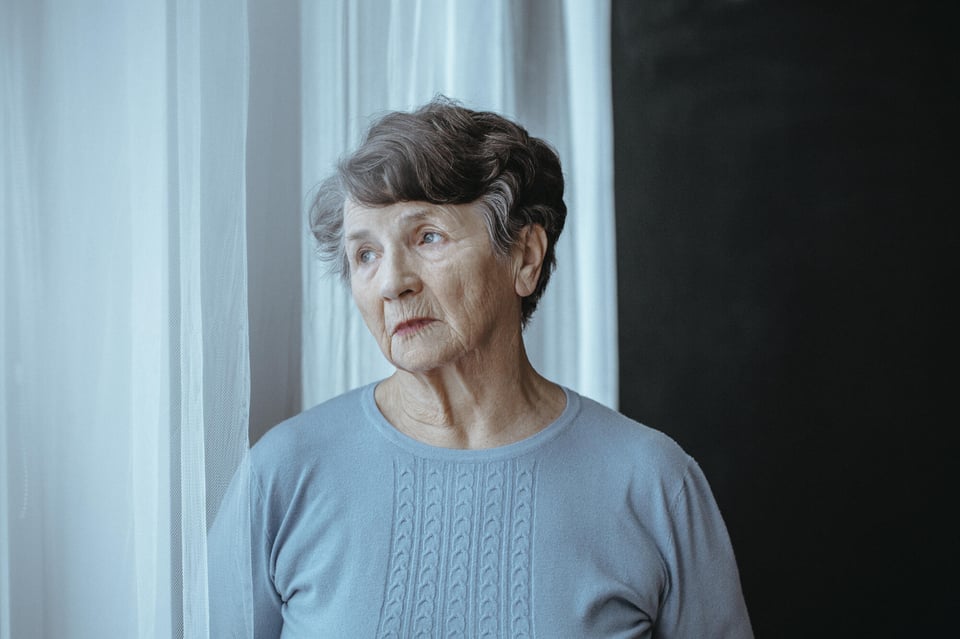
Effective strategies to beat the winter blues include diet, exercise, and sunlight exposure. These tips for seasonal affective disorder relief can improve your health and quality of life.
According to the American Psychiatric Association, about 5% of adults in the US experience symptoms of seasonal affective disorder. SAD is a more intense version of the winter blues. Failing to seek treatment could lead to debilitating symptoms and health complications.
Before that happens, learn how to beat the winter blues. Finding seasonal affective disorder relief can improve your overall wellness and quality of life in Tampa, FL. Read on for our winter health tips!
What Does "Winter Blues" Mean?
The winter blues are a mild version of seasonal affective disorder. If you have the winter blues, you may feel sad or want to stay home. The winter blues shouldn't affect your ability to function.
Seasonal affective disorder follows a seasonal pattern.Most people experience symptoms at the beginning of fall. Symptoms may worsen while there are fewer hours of sunlight, during the peak winter months.
People don't always experience the same symptoms of SAD. However, common symptoms include:
- Feeling irritated or agitated
- Trouble concentrating or making decisions
- Feeling hopeless or worthless
- Anxiety
- Sleeping problems (often oversleeping)
- Losing interest in usually pleasurable activities
- Social withdrawal
- Feeling hopeless or worthless
- Extreme fatigue
- Craving carbs and sugar
- Weight gain
- Feeling sad most of the day, almost daily
Unlike the winter blues, SAD may affect your ability to function. You may start withdrawing, leading to social isolation and loneliness. Social isolation and loneliness can increase your risk of serious mental and physical health conditions, including:
- Heart disease
- A weakened immune system
- Alzheimer's disease
- Depression and anxiety
- High blood pressure
- Obesity
- Cognitive decline
Who Is At Risk of the Winter Blues?
According to UC Health Davis, women are four times more likely to experience seasonal affective disorder than men. SAD can begin at any age. However, people generally first experience symptoms between the ages of 18 and 30.
Risk factors of SAD include:
- Living in cloudy areas
- Having another mood disorder (like bipolar disorder)
- Having relatives with SAD
- Living in latitudes far north or south of the equator
- Having relatives with other forms of depression or mental health conditions
How to Beat the Winter Blues
A few lifestyle changes can help you beat the winter blues. Here are our tips for seasonal affective disorder relief.
Brighten Your Environment
Open your blinds or curtains first thing in the morning. Getting light exposure can help you maintain a healthy circadian rhythm. This will help you get adequate sleep, which can affect your mood.
Otherwise, embrace the Nordic practice of friluftsliv by embracing the winter weather. Go for a walk, garden, or go ice skating. Enjoying the season may help ease your winter blues.
Exercise
Make exercise part of your regular independent living routines. Exercising will boost serotonin and dopamine production, which are linked to your mood.
You can find fun, indoor exercise classes through your senior living community's fitness program. For example:
- Weight lifting
- Resistance training
- Walking
- Hiking
- Indoor swimming or water aerobics
- Pilates
- Tai chi
Adjust Your Diet
Explore your senior living community's dining program for healthy, nutritious meals. Choose options that feature whole foods, which are high in neuroprotectives and antioxidants. Eating nutrient-dense whole foods may improve your mood.
Assisted Living Engagement
Explore your senior living community's events and activities calendar. Engaging in activities with other seniors may boost your mood. It can also help you avoid social isolation and loneliness, which can cause your mental and physical health to decline.
Fun activities can include:
- Trivia
- Book club
- Movie club
- Scrapbooking or journaling
- Bingo
- Dancing
- Cooking
Independent Living Routines
If you still struggle with symptoms, consider moving into a senior living community. Their senior lifestyle programs may provide support. Following a routine can give your life structure, which may relieve stress.
For additional cognitive health support, look into communities that offer memory care wellness programs.
Frequently Asked Questions
What Is the Worst Month for Seasonal Depression?
The worst months of seasonal depression are usually December, January, and February.During this period, there are fewer hours of daylight. Getting less sunlight exposure during the winter may contribute to your SAD symptoms.
Sunlight helps the body produce serotonin, a neurotransmitter. Exposure to sunlight also regulates vitamin D levels, which supports serotonin production. With fewer hours of sunlight during the winter, your vitamin D and serotonin levels may drop, causing SAD.
What Are the Treatment Options for Seasonal Depression?
Your mental healthcare provider may recommend a combination of treatment options, including:
- Cognitive behavioral therapy
- Light therapy
- Spending time outdoors
- Antidepressant medication
- Vitamin D supplements
Light therapy (phototherapy) is often the first line of treatment for seasonal depression. Treatment involves sitting in front of a light 20 times brighter than regular indoor light (10,000 lux). Exposure to bright light may trigger the production of vitamin D and serotonin, which affect your mood.
During treatment, don't look directly into the light. Instead, place the lamp two or three feet away. You can eat, drink, work, or read while receiving treatment.
Schedule your bright light therapy first thing in the morning. Using it later in the day may cause insomnia. Limit treatment to 15 to 30 minutes each morning.
Your doctor may recommend selective serotonin reuptake inhibitors (SSRIs) to treat SAD. These medications may regulate serotonin levels, which can improve your mood.
The onset of seasonal depression is predictable. Your mental healthcare provider may recommend using preventive measures. It may help you manage and minimize symptoms.
Prioritize Your Winter Mental Health
Don't let the winter weather cause your mood to drop. Instead, use these effective tips to beat the winter blues. Remember, you can find mood and memory care support through your local senior living community.
Discovery Village Tampa Palms offers resort-style living for beauty, convenience, and comfort. Our Supervised Independent Living, Senior Assisted Living, and SHINE® Memory Care programs are personalized to ensure you receive the care you need.
Discover our exclusive lifestyle programs, including Sensations Dining for nutritious meals, Celebrations Activities & Events like bingo and trivia, and Dimensions Health & Fitness for yoga. Contact us now to schedule your tour.